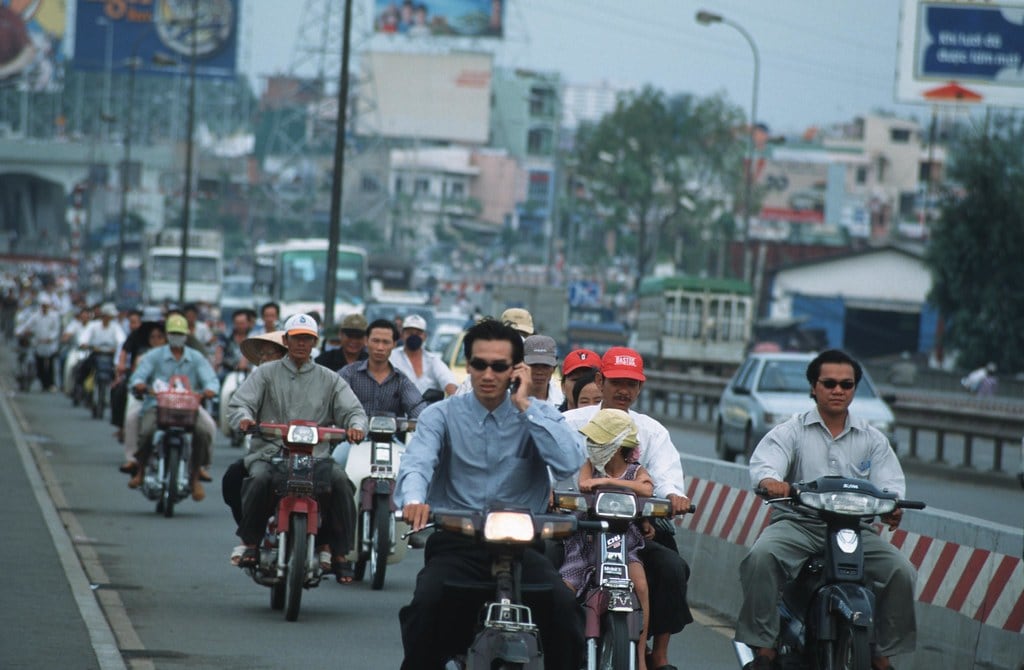
In much of the Western world, motorcycles are framed as choices. In large parts of Asia, they are facts of life. That difference alone reshapes everything, from how bikes are designed to how riders are perceived, and ultimately to what motorcycling means
To understand why motorcycles carry deeper cultural weight in Asia than in the West, you have to stop thinking about riding as a hobby and start thinking about it as infrastructure, economics, and identity woven together.
The Simplified Story We Tell Ourselves
In Western media and marketing, motorcycles are usually presented through narrow archetypes. They are weekend toys, expressions of rebellion, symbols of freedom, or rites of passage during a specific phase of life. Riders are enthusiasts. Riding is elective. The bike is something you add to your life once the basics are already covered.
This framing is not wrong, but it is incomplete. It assumes cars are the default and motorcycles are deviations. It assumes discretionary income, spare time, and the luxury of choosing how to move through the world.
Those assumptions quietly collapse when you shift your focus eastward.
How History Shaped This Divide
After World War II, the West rebuilt around the automobile. Expanding suburbs, cheap fuel, and wide roads reinforced the car as the central unit of personal mobility. Motorcycles, once practical tools, were pushed to the margins and rebranded as recreational machines or countercultural statements.
Asia followed a different trajectory.
Rapid urbanization, higher population density, narrower streets, and lower average incomes made cars impractical for millions of people. Motorcycles and scooters were not lifestyle accessories. They were the most efficient solution available. Cheap to buy, cheap to run, easy to repair, and adaptable to crowded cities, they became the backbone of everyday mobility.
Over decades, this practicality hardened into culture.
Motorcycles as Everyday Reality
In much of Asia, motorcycles are not introduced with ceremony. There is no moment where someone “becomes a rider” in the romantic sense. Riding is learned early, often informally, and absorbed into daily routine.
Motorcycles carry families, not just riders. They haul groceries, building materials, livestock, and livelihoods. They are taxis, delivery vehicles, work tools, and personal transport rolled into one. Scratches are not scars on identity. They are evidence of use.
Because motorcycles are embedded in survival and productivity, they command respect that goes beyond passion. You do not ask why someone rides. You ask where they are going.
Culture Changes the Meaning of Riding
Where Motorcycles Are Transportation
In countries where motorcycles are primary transport, riding is normalized. The rider is not exotic. Protective gear is often minimal, not because riders do not value safety, but because riding is constant and contextual. When something is done every day by everyone, it loses performative elements.
Motorcycles here mean access. To work. To education. To opportunity.
Where Motorcycles Are Identity
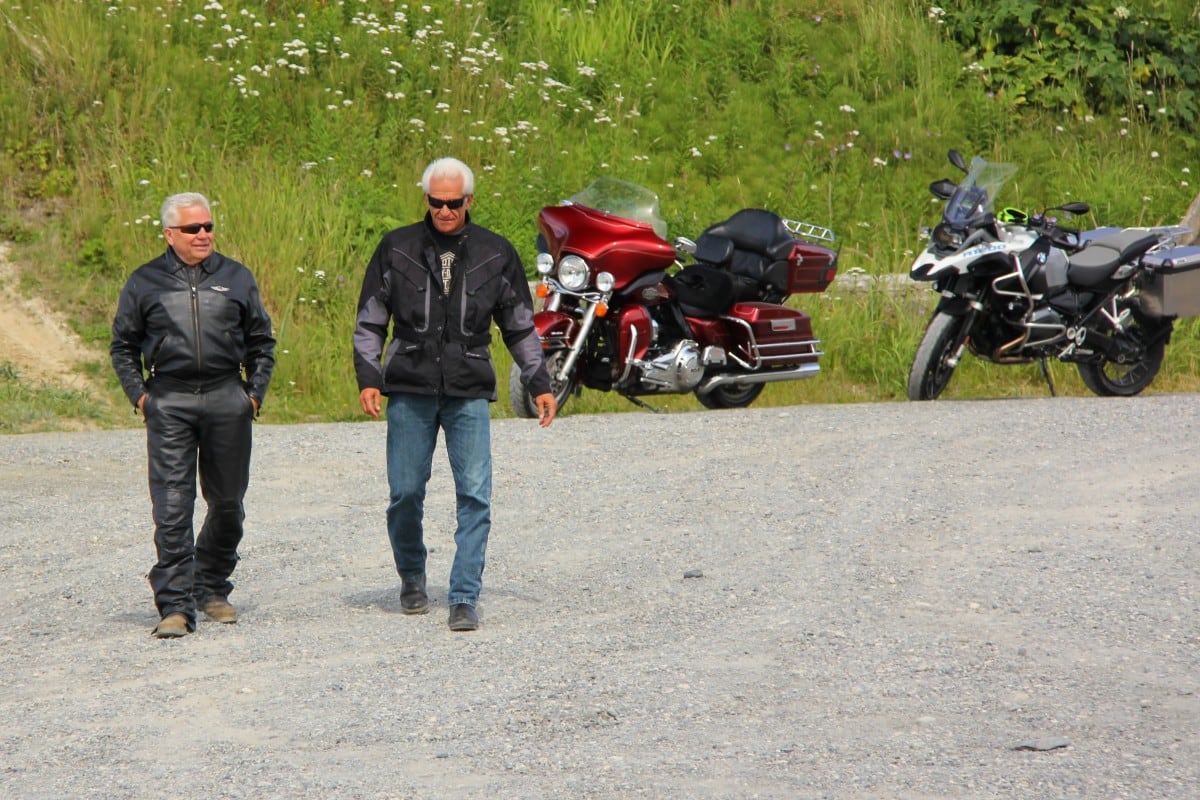
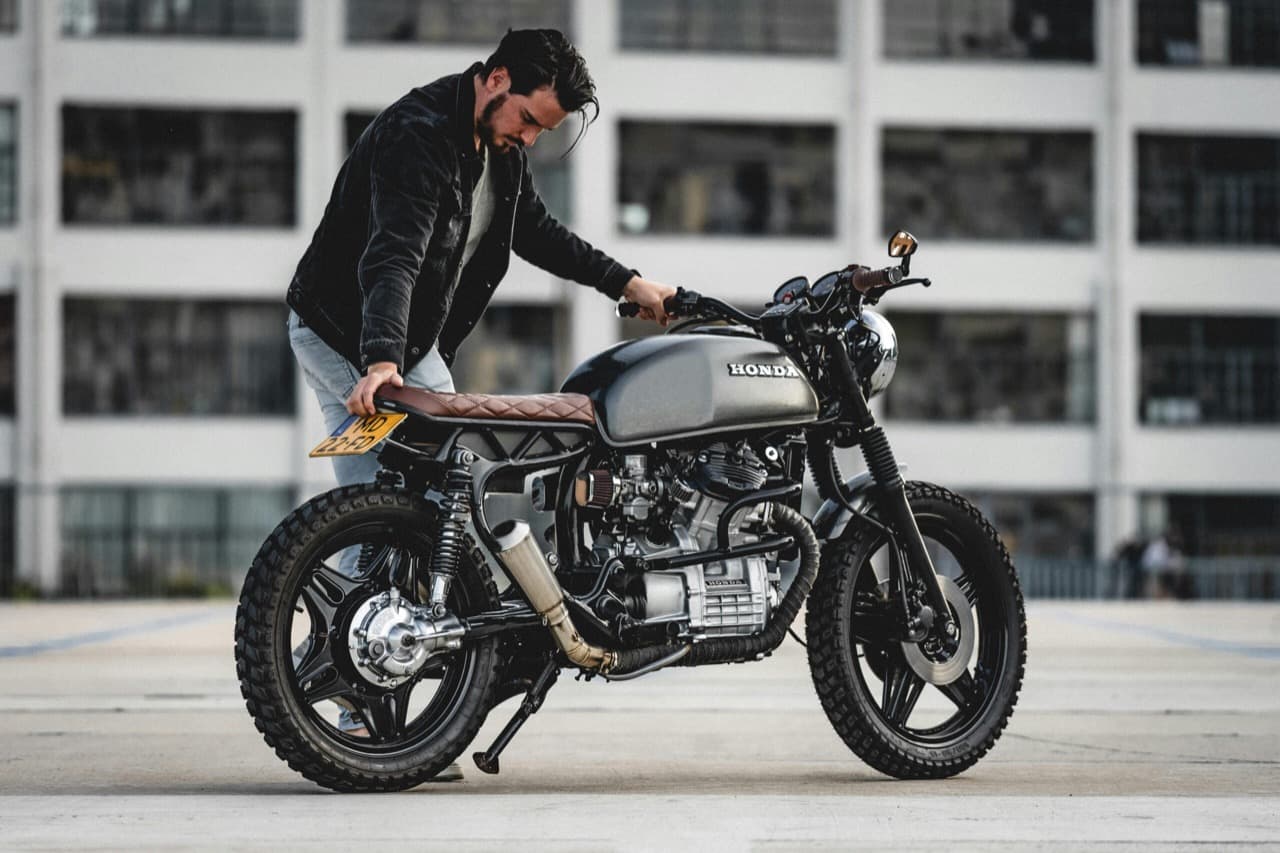
In the West, motorcycles often fill the identity gap left by abstraction-heavy modern life. Riding becomes a statement. A rider is a rider. The bike is curated. The image matters.
In Asia, identity comes from function first. Passion exists, but it is layered on top of necessity, not the other way around.
Where Motorcycles Are Escape
Western riders often ride away from obligation. Asian riders often ride through it. That distinction changes the emotional texture of motorcycling entirely.
The Philosophical Difference
When riding is optional, it becomes symbolic. When riding is necessary, it becomes intimate.
Asian motorcycling fosters a different relationship with risk and control. Riders develop situational awareness not through training courses or safety campaigns, but through constant exposure. Traffic becomes a shared negotiation rather than a set of rigid rules. Flow matters more than formality.
This produces a kind of practical mindfulness. Not the meditative stillness often romanticized in Western riding culture, but a sharp, continuous presence rooted in survival and efficiency.
Motorcycles are not escapes from reality. They are how reality is navigated.
The Role of Small Displacement
In the West, power often equals prestige. Larger engines signal seriousness. Smaller bikes are framed as beginner steps or compromises.
In Asia, small displacement motorcycles are perfected tools. Lightweight, fuel-efficient, and resilient, they are engineered to endure constant use in harsh conditions. Riders master momentum, balance, and anticipation rather than brute force.
Skill is not measured by horsepower. It is measured by how smoothly and efficiently one moves through chaos.
This cultivates a quieter, deeper respect for riding craft.
Modern Tensions and Changing Realities
As Asian economies grow, cars are becoming more accessible. Governments push regulation, electrification, and emissions controls. Motorcycle infrastructure is sometimes treated as a temporary phase rather than a permanent solution.
At the same time, Western markets increasingly adopt motorcycles as urban mobility tools, rediscovering practicality under the pressure of congestion and cost.
These worlds are slowly converging, but their cultural starting points remain different. Asia did not adopt motorcycles because they were romantic. The West did not abandon them because they were impractical.
Those choices were structural, not emotional.
What This Means for Today’s Rider
Understanding this divide reframes how riders everywhere can think about their machines.
It invites Western riders to see motorcycles not only as expressions of freedom, but as tools of efficiency and presence. It invites Asian riders to recognize that their daily competence is a form of mastery, even if it is rarely labeled as such.
It also challenges the industry narrative that more power, more technology, and more spectacle are always progress. In many Asian contexts, progress has meant refinement, simplicity, and resilience.
The Meaning Is Yours to Carry
Motorcycles mean different things because they grow out of different needs. In the West, they often represent what is missing. In Asia, they often represent what is possible.
Neither meaning is superior. But one is born from choice, and the other from necessity. That distinction shapes how riders see themselves, how societies treat motorcycles, and how deeply two wheels become woven into everyday life.
When you understand that, you stop asking why motorcycles matter more in one place than another. You start asking what riding reveals about the world it moves through.
No comments yet